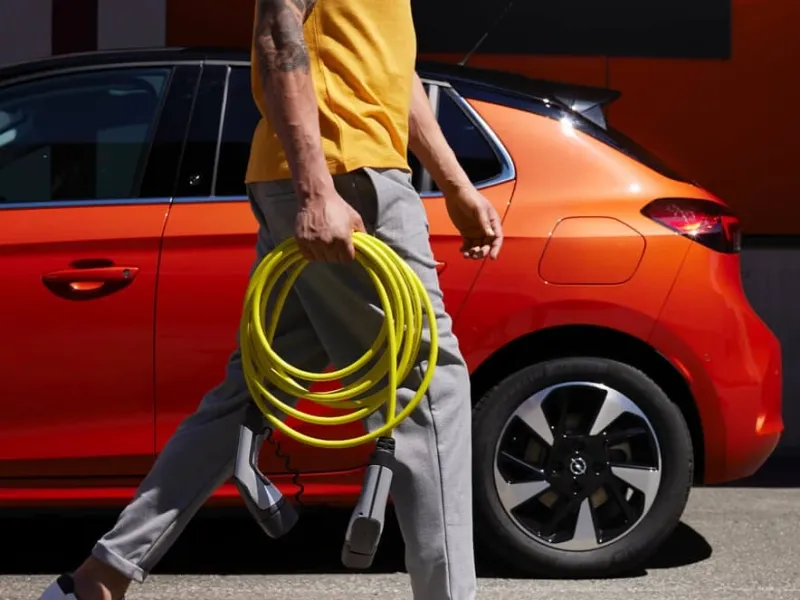

Charging and range of your electric car
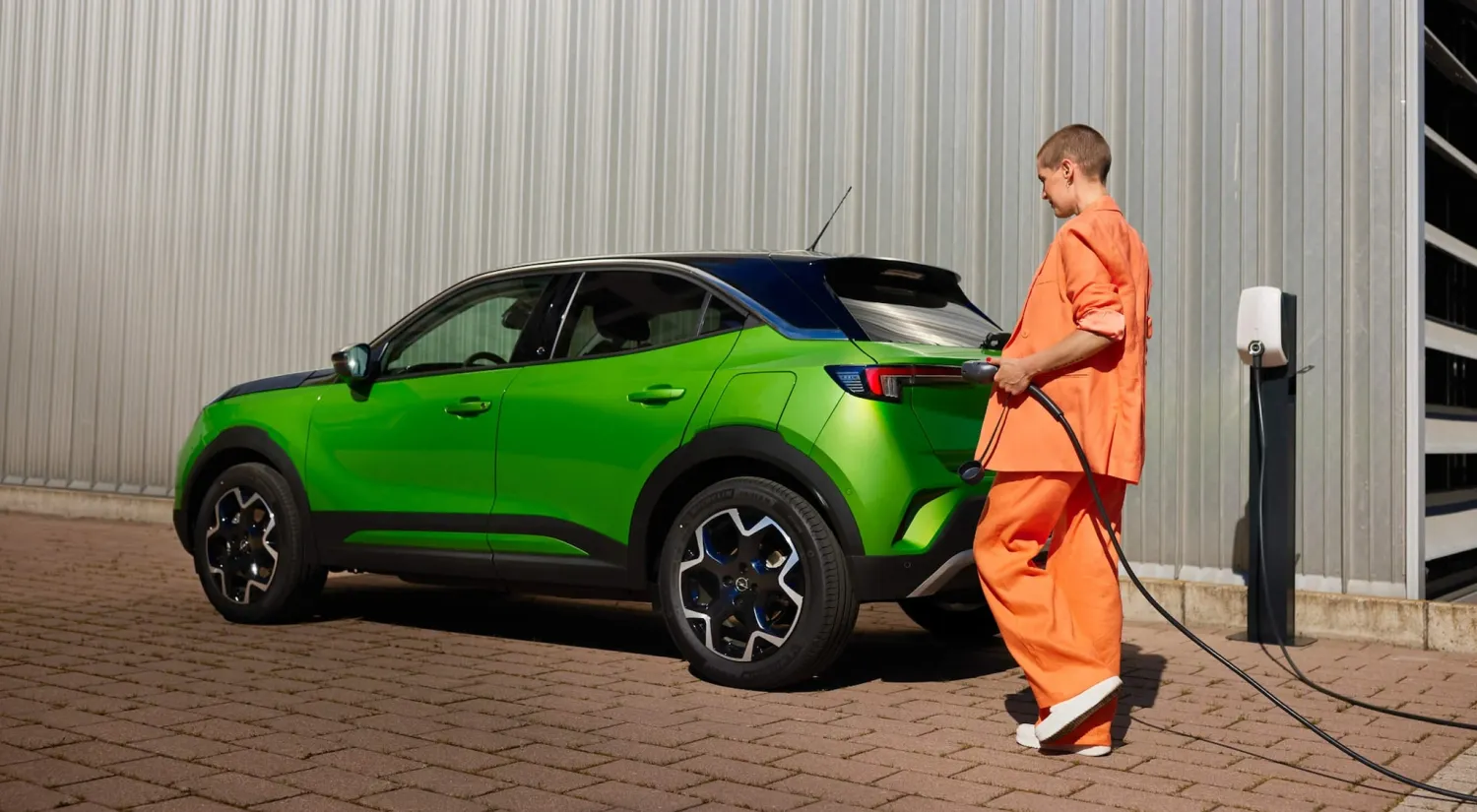
Flexible charging on the road or at home
Everything you need to know about charging your electric car

Charge up your knowledge here
How do you stay mobile with your electric car? Quite simply by charging the battery regularly! How easy it is, what different options are available, what you need to bear in mind, how often it’s best to charge and how much time you should plan for it? Get all the answers here.
The difference between direct current and alternating current
Almost all of our household appliances are powered by alternating current, because this is the current provided by the European grid. However, devices with built-in batteries must be charged with direct current. This includes mobile phones – and also electric cars.
The European electricity grid is based on alternating current because this allows the electrical charge to be transported more efficiently over long distances – the flow of electricity constantly changes direction.
However, the lithium-ion battery in your electric car does not need alternating current, but direct current. Regardless of whether this current comes from a household socket or a wallbox – it must first be converted into direct current inside the vehicle using an on-board charger. And that takes time. Charging is therefore faster at a direct current fast charging station. The alternating current from the mains is converted into direct current and can be fed directly into the battery. Direct current fast charging stations are currently only available in public areas, but you can charge your electric car faster there than at any other power source.
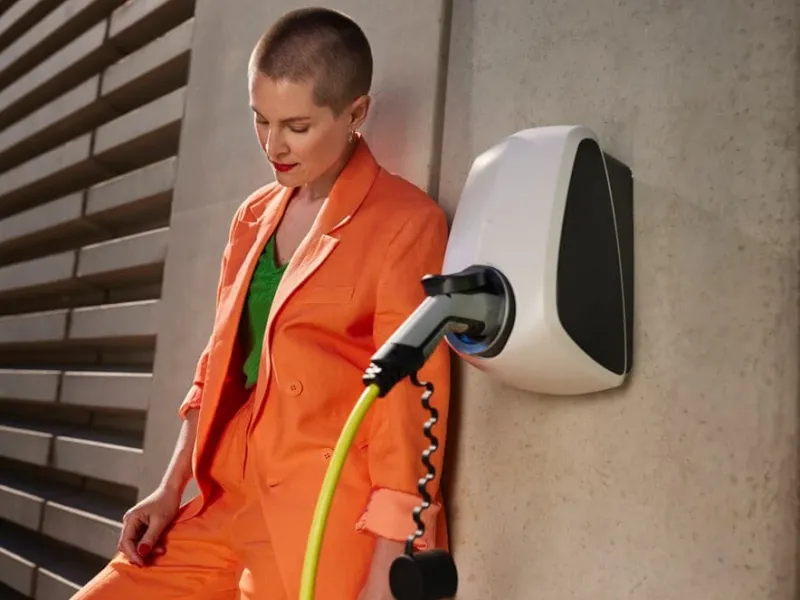
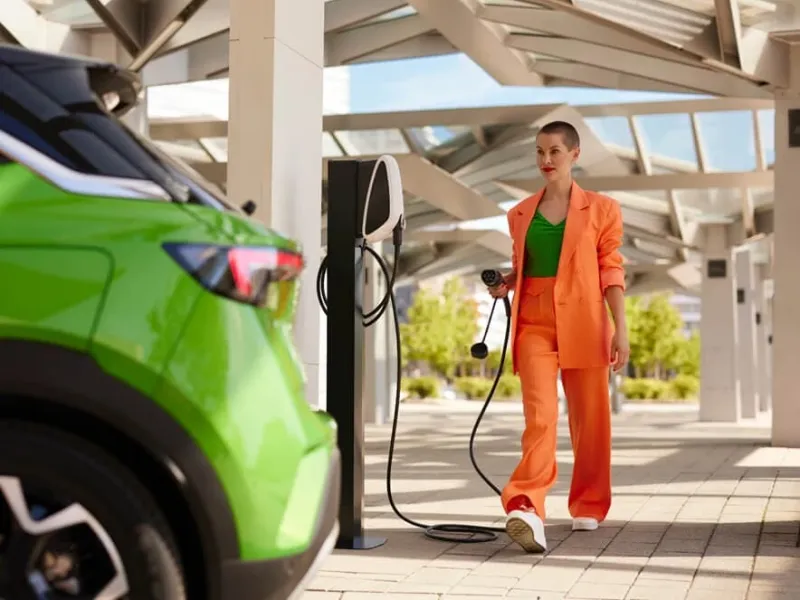
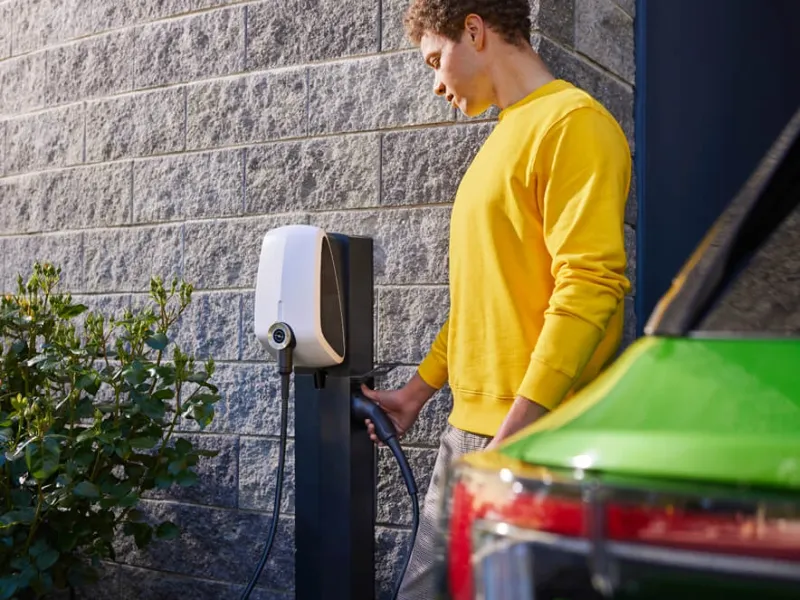
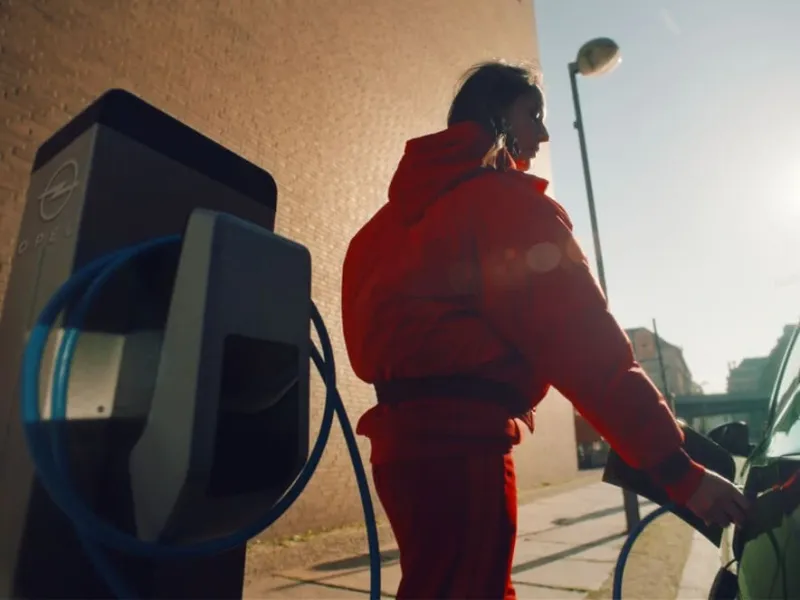
Do you only charge your Opel electric car at home – or often on the move? Can you always take your time when charging – or does it have to be fast? We tell you which accessories suit your individual needs and where you can get them.